Toys and Treats for Animals
Every day we prepare novelties and surprises for the animals. In various ways we encourage them to sniff, scent-mark, roll, dig, hunt, tear and jump. On special occasions we also schedule surprises so visitors planning their visit can watch the animals in action.
About toys and treats
On various occasions we schedule the "Toys and Treats for Animals" programme so visitors can see one of the important pillars of animal care and the animals in action.
Animals in zoos need a suitable habitat and companions, appropriate food and veterinary care, hygiene and special attention to their behaviour.
The key ingredients for maintaining species-typical behaviour outside of the natural environment are a varied habitat and training. When we add the keeper’s care and attentive eye for daily needs, we have an excellent recipe for the welfare of the animals in our care.
An enriched habitat offers physical and mental challenges, giving animals the chance to solve the kinds of problems they also encounter in the wild: looking for food, finding shelter, running, climbing, swimming, scratching, rolling and so on. Animals show natural behaviours and develop well socially, mentally and physically.
Habitat enrichment at ZOO Ljubljana is part of daily care and crucial for the animals’ welfare.
With a donation you can support our programme and brighten the animals’ day too!
A donation of €1–5 will contribute to the purchase of natural materials for making toys, spices and other scents, and toys for smaller species.
A donation of €10–50 will contribute to the purchase of larger toys and the construction of larger play equipment for the animals.
Would you like to donate a different amount or make a larger donation?
Donations can also be made by bank transfer. The transfer details for ZOO Ljubljana are:
ŽIVALSKI VRT LJUBLJANA
VEČNA POT 70,
1000 LJUBLJANA
IBAN: SI56 0126 1603 0380 391
Reference: 00-1110
PAYMENT PURPOSE: ZOO animal toys
SWIFT: BSLJSI2X
PURPOSE CODE: CHAR
Please include the reference so we know your donation is earmarked for the purchase of toys and play equipment for ZOO Ljubljana’s animals.
The Facebook playlist of animal enrichment is available at this link.
Forms of enrichment:
1. Physical enrichment
In the natural environment, animals encounter different terrain, water sources and weather conditions. They meet varied vegetation. This variety allows them to explore and move, as well as the option of hiding. As needed, they scratch against rough bark on parts of the body they can’t otherwise reach, seek shade in the summer heat, or roll in a sand or mud bath.
2. Feeding enrichment
Finding food is a varied activity for animals in the wild. Many search or stalk their prey for hours, using strength, cunning, speed or strategy to reach their food. All of this requires physical activity and sharp senses, so it is important that the animals in the zoo also seek food in a similar way.
3. Sensory enrichment
Sensory enrichment covers smell, taste, hearing, touch and so on. Animals have very well-developed senses. To find prey, water, shelter, a partner or to avoid predators, they use very different senses, even more varied and sharper than ours!
4. Solving challenges and problems
Many animals are highly intelligent, so keepers encourage them to think. They do this by hiding food and treats in special feeders where the animals have to use various mental skills to get to the hidden treats.
5. Social enrichment
This is important so the animal can express behaviours such as grooming, play, courtship and territoriality. It can come from animals of the same species or different species, and also includes the keeper and the relationship between them. An animal living alone is not necessarily lonely.
6. Training
Through training we greatly enhance the welfare of the animals, as they are more willing to cooperate, and we learn to listen to the animals and understand what they are telling us and what they need. Through training we build a positive and respectful relationship between the animal and its keeper. The animals are more mentally and physically active, willingly take part in veterinary care, allow themselves to be examined, have blood drawn, be vaccinated and be weighed.
Related experiences
Annual Pass 365
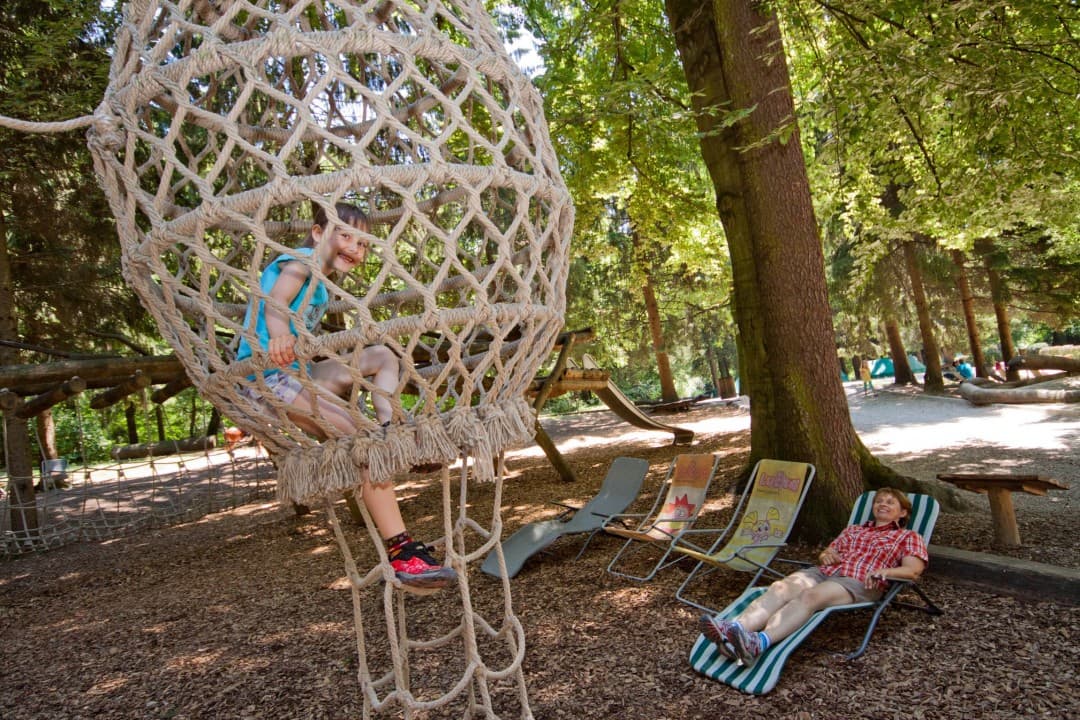
Quality leisure time matters hugely in today’s fast-paced life. With a ZOO Ljubljana annual pass you’ll enjoy pleasant relaxation, more movement, more time with friends and family, plenty of laughter and fun, new learning and discoveries, and many happy moments during your visits. The annual pass costs less than six single visits.
Birthday Adventure
Want to celebrate a birthday a little differently — active and educational? The Birthday Adventure is just the thing. We will take you into the wonderful world of insects and show you some of our most charismatic animals in their enclosures. We will guide you through riddles and interesting stories as you get to know the animals.
-ganga.jpg&w=3840&q=75)
Birthday Celebration
You can celebrate a birthday at ZOO Ljubljana. During the celebration we experience smaller domesticated animals, with a focus on insects. We also visit the more charismatic larger animals in their enclosures and learn many interesting things about them. The celebrations are educational and fun, suitable for children and adults alike. We provide food, drink and an educational and entertaining programme.